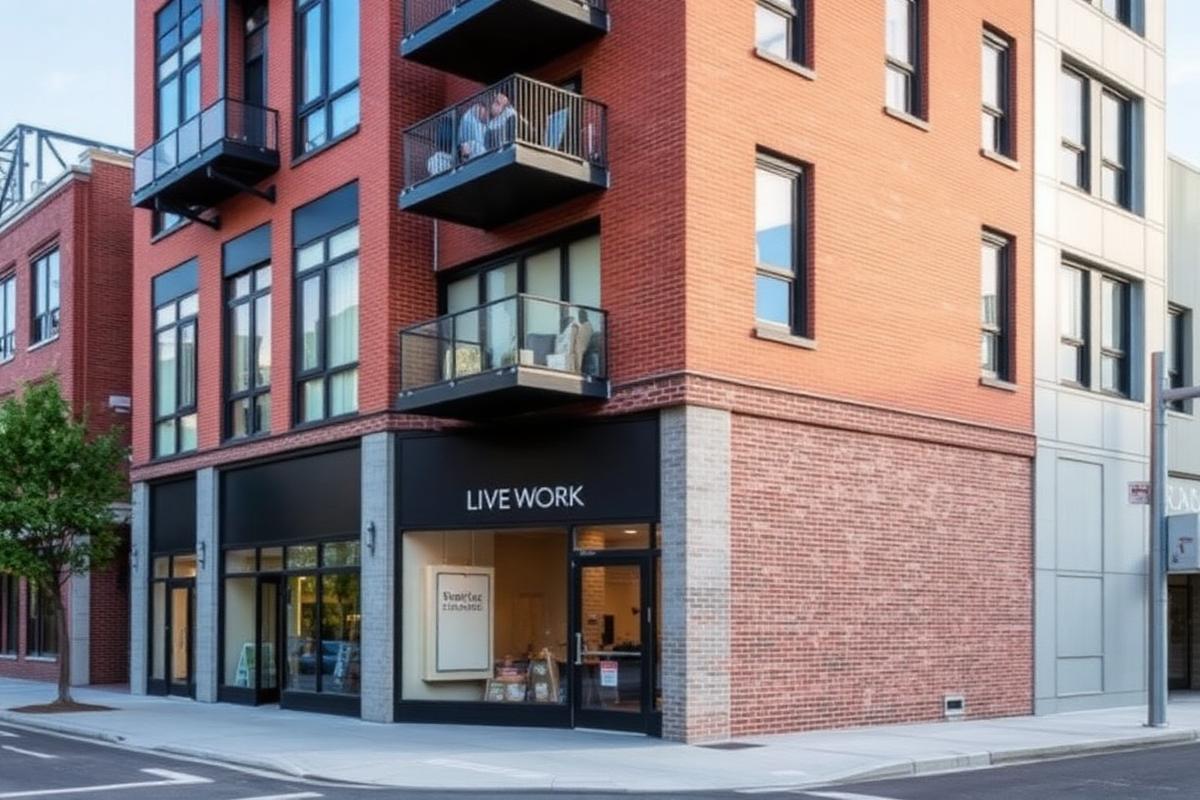
Barndominiums, container homes, dome homes, non-warrantable condos, large acreage, mixed-use properties, and other unusual real estate can be financeable — but the lender has to understand the collateral.
Unique-property financing is less about whether the borrower qualifies and more about whether the lender is comfortable with the collateral. Standard agency guidelines work best when the property is easy to classify, easy to appraise, and easy to resell. When the home is unusually constructed, sits on significant acreage, has mixed-use characteristics, belongs to a non-warrantable condo project, or lacks strong comparable sales, portfolio and Non-QM lenders may offer additional options.
*Eligibility varies by property, lender, appraisal, occupancy, loan purpose, state, and borrower profile.
The property doesn’t have to be normal. The lender has to understand it.
What kind of property is it?
Different Property. Different Lender Market.
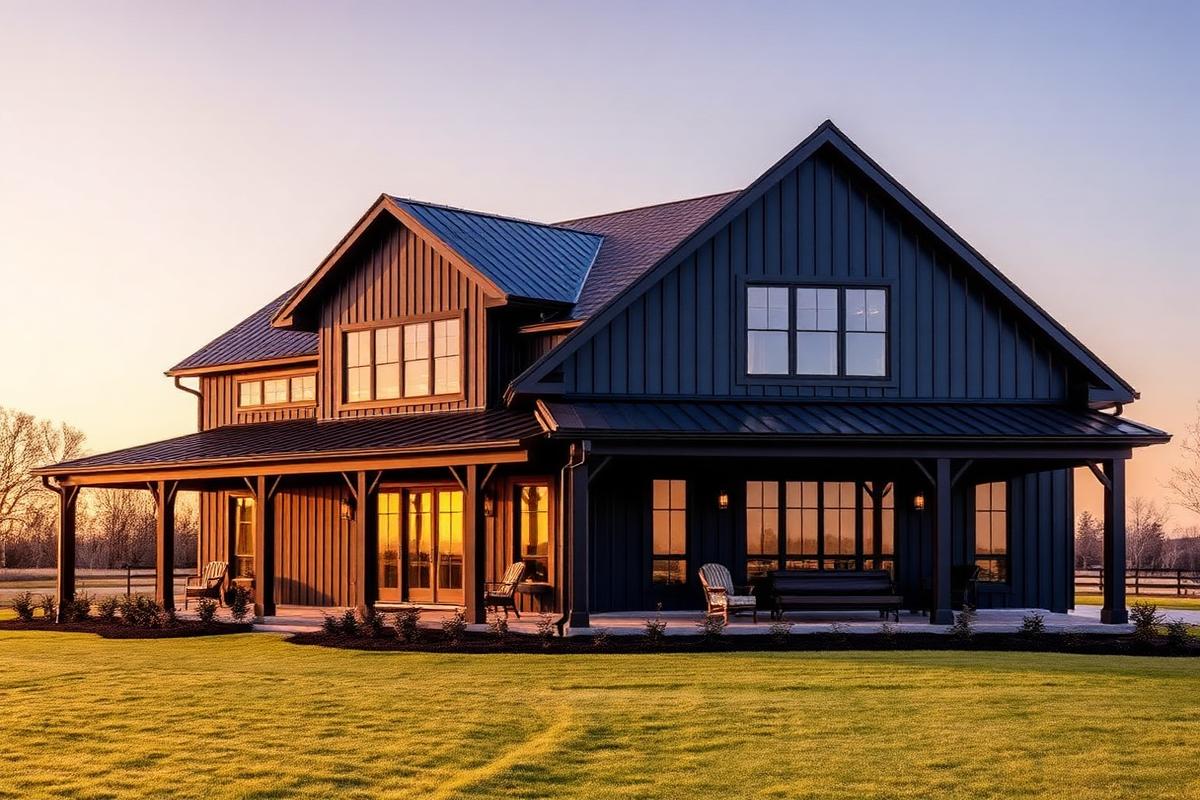
Barndominiums
Residential Home. Agricultural Roots.
Barndominiums can range from conventional residential homes with metal construction to highly customized structures with significant shop, barn, or agricultural space.
What lenders may evaluate
Residential use
Percentage of living area vs non-living area
Construction quality
Zoning
Acreage
Comparable sales
Marketability
A barndominium is not automatically commercial — but not every lender will treat it as ordinary residential collateral.
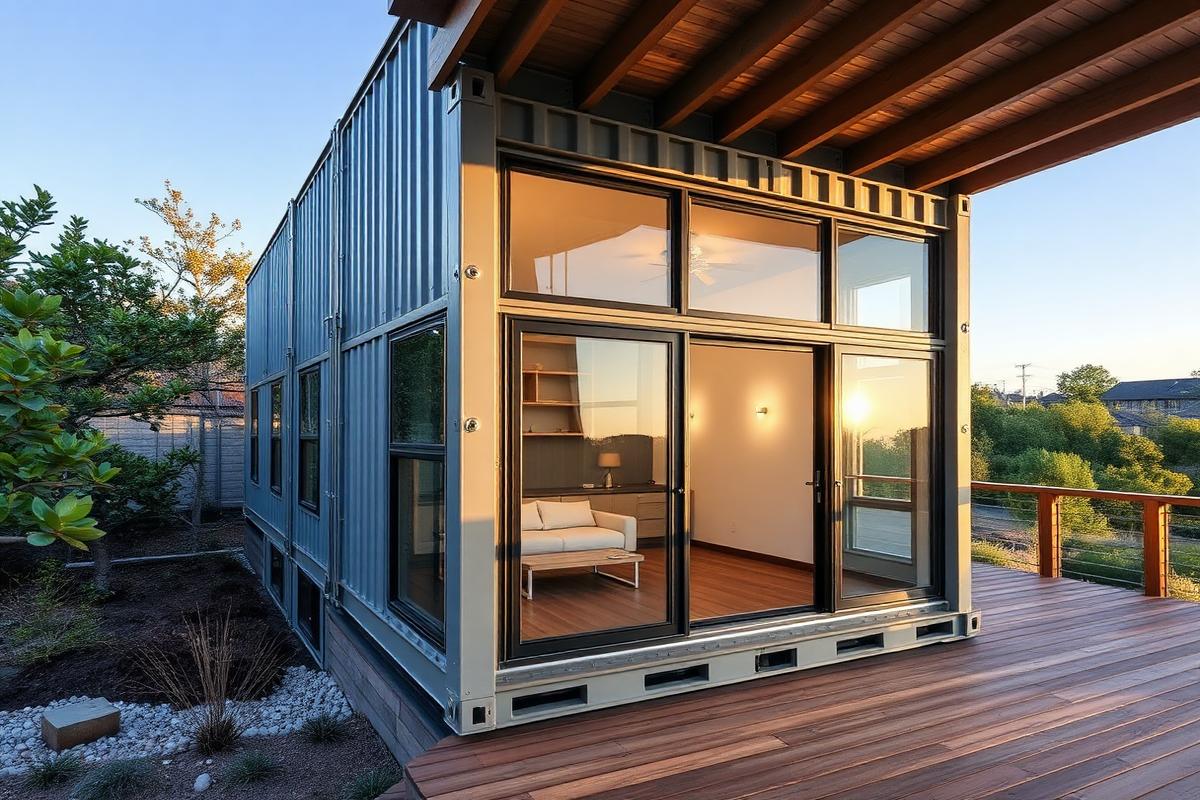
Container Homes
Alternative Construction
Shipping-container homes and other modular-style alternative structures may require lenders comfortable with unconventional construction methods.
Potential underwriting issues
Permits
Code compliance
Permanent foundation
Market acceptance
Appraisal comparables
Insurability
Resale market
Creative architecture creates an appraisal problem before it creates a borrower problem.
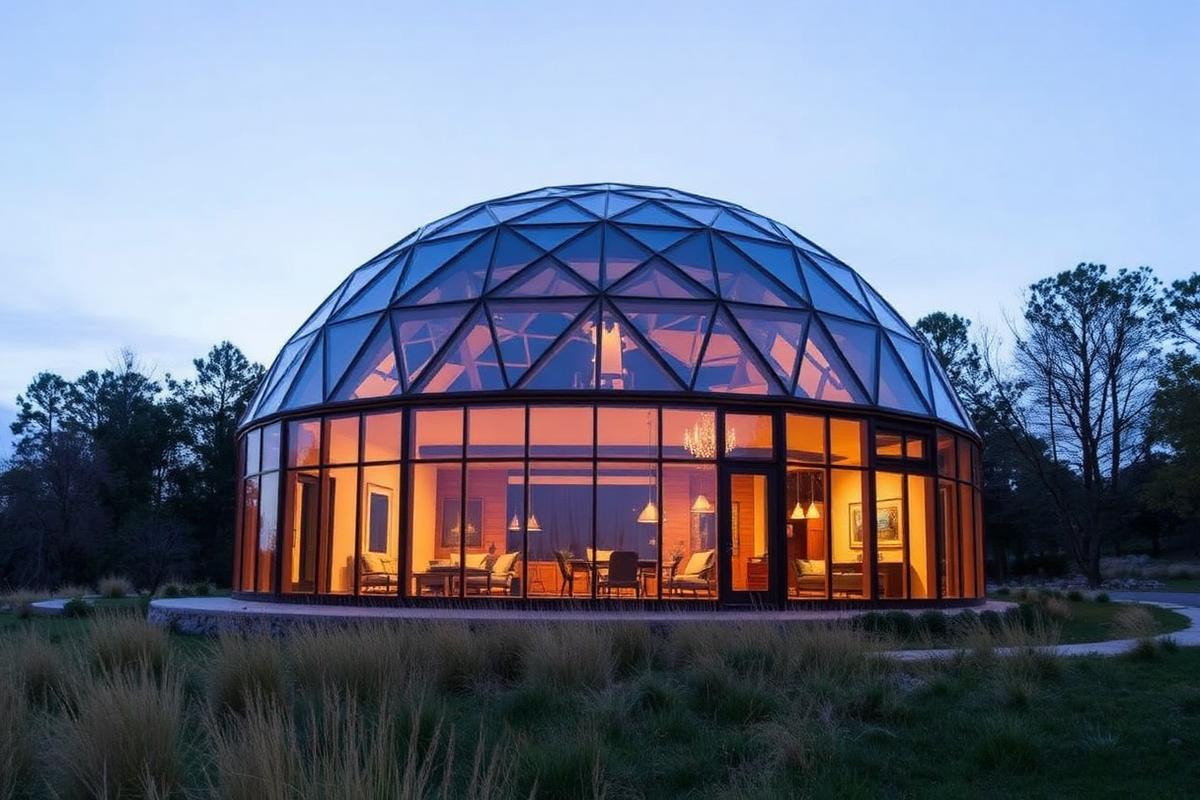
Dome / Geodesic Homes
One-of-One Architecture
Dome and geodesic homes may be structurally sound and highly desirable to the right buyer, but their limited sales market can make appraisal and lender acceptance more difficult.
Potential concerns
Limited comparable sales
Unusual construction
Marketability
Replacement cost
Lender collateral policy
Rare does not mean worthless. It does mean the lender needs a way to support value.
Non-Warrantable Condos
The Unit May Be Fine. The Project Isn't Agency-Eligible.
A condo can become non-warrantable because the overall project does not satisfy applicable Fannie Mae / Freddie Mac or other agency requirements.
Potential reasons may include
Investor concentration
Commercial space
Litigation
Insurance issues
HOA financial concerns
Short-term rental concentration
Single-entity ownership
Incomplete project status
Other project-level restrictions
With condos, underwriting the borrower is only half the job. The lender may also be underwriting the entire building.
Main residence + guest house + detached units + workshops.
ADU-Heavy Properties
Multiple living areas or unusual accessory-unit configuration.
Log Homes
May be standard in some markets and highly specialized in others.
Earth-Sheltered Homes
Alternative structural design requiring specialty appraisal and lender appetite.
Unique Luxury Homes
Highly customized or architecturally distinctive properties with limited comparable sales.
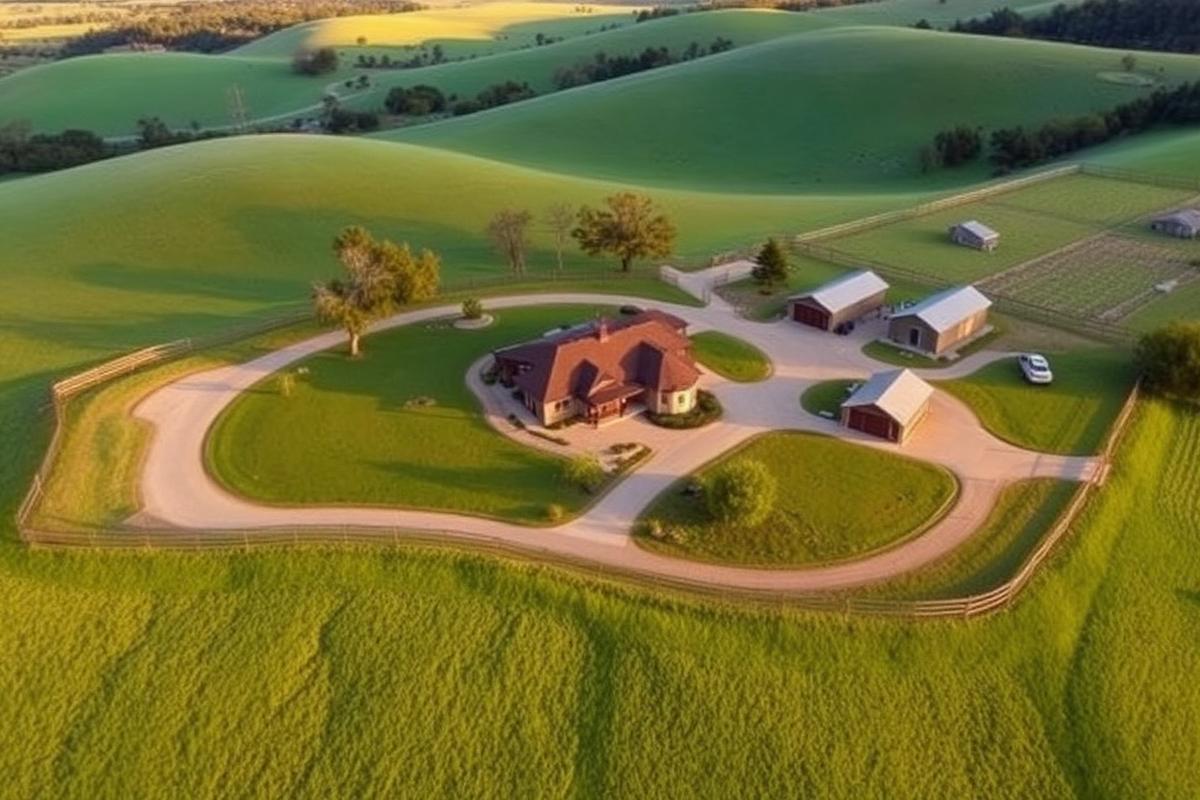
Rural Estates
Large land parcels with unusual improvements.
Properties With Commercial Characteristics
Residential property with significant shop, office, warehouse, equestrian, agricultural, or business-use components.
Unique is contextual. A log home may be ordinary in one market and difficult collateral in another.
The property may be good — just not for that lender
A Decline Can Be a Guideline Problem, Not a Property Problem.
Standard lenders are often designed around properties that are easy to classify, easy to appraise, easy to insure, easy to sell, and easy to package into agency or investor guidelines. Unique properties may create friction.
Appraisal
Not enough comparable sales.
Marketability
Smaller potential buyer pool.
Construction
Non-standard building method.
Zoning
Residential use does not fit neatly within typical guidelines.
Land
Acreage or agricultural characteristics exceed program appetite.
Project
For condos, the building itself may fail agency requirements.
A lender can love the borrower and still hate the collateral.
The Appraisal Is Often the Center of the File.
For unusual properties, the appraisal may matter even more than on a standard home. What the lender may evaluate:
Availability of comparable sales
Distance to comparables
Age of comparables
Similarity of construction
Land value
Replacement cost
Marketability
Functional utility
Highest and best use
Residential vs commercial characteristics
The lender isn’t only asking, “What is it worth?” They’re asking, “How confident are we that this value is supportable?”
Appraisal standards are not identical across specialty lenders.
Where specialty lenders help
Some Lenders Underwrite the Property Instead of Rejecting the Category.
Portfolio and Non-QM lenders may have more flexibility than standard agency channels because they are not always trying to fit the property into the same standardized secondary-market box. Depending on the transaction, potential structures can include:
Non-QM does not mean no underwriting. It means a different underwriting framework.
Specialty condo financing
Non-Warrantable Doesn't Mean Unfinanceable.
A condo may be perfectly desirable and still fail standard agency project requirements. The problem can come from the project rather than the individual unit.
Borrower Qualifies
Unit Acceptable
Condo project Doesn’t meet agency requirements
Standard conventional loan may fail
PORTFOLIO / NON-QM CONDO LENDER — may evaluate the project under a different framework
Potential project-level examples
High investor concentration
Commercial space
Litigation
Inadequate insurance
Single-entity ownership
Short-term rental concentration
Project still under development
HOA financial concerns
None of these automatically makes a condo non-warrantable. Each is reviewed against the specific project and the specific lender’s standards.
The problem may be the project. The solution may be the lender.
Barndominium financing
Not Every Barndominium Is the Same.
Residential-firstUtility / agricultural-first
Mostly residential living space
Traditional finishes
Normal residential use
Strong local comps
Potentially easier to finance.
Large shop / barn area
Agricultural operations
Commercial characteristics
Limited residential comps
Potentially more specialized.
The word “barndominium” doesn’t determine financing. The actual use and configuration do.
The More Unique the Construction, the More Important the Comparable Market.
A lender may be willing to finance alternative construction if the property is:
Legally permitted
Structurally sound
Permanently affixed where required
Insurable
Residential in use
Supported by an acceptable appraisal
Marketable within its local area
Unique design is not automatically a lending problem. Lack of a supportable market often is.
What If Both the Property and the Income Are Unusual?
Sometimes both sides of the file are non-standard.
Self-employed + barndominium
Crypto / asset-heavy + unique luxury home
Real estate investor + non-warrantable condo
Business owner + mixed-use property
That is where lender selection becomes a matching exercise: borrower profile + property + purpose + lender appetite.
10If mixed-useApproximate residential vs business use
I don’t need a perfect loan file to take the first look. I need enough information to understand the collateral.
One Lender Saying No Does Not Mean the Property Is Unfinanceable.
Different lenders can have dramatically different appetite for unusual collateral. A decline may reflect:
That lender's investor guideline
Internal property restriction
Appraisal policy
Acreage limit
Condo project policy
Construction restriction
Geographic restriction
Concentration limit
A lender decline tells you what that lender won’t finance. It doesn’t necessarily tell you what the market won’t finance.
Does Unique Property Financing Cost More?
Sometimes. Specialty financing may price differently from standard agency mortgages because the lender is accepting collateral that is harder to standardize, appraise, or resell. But pricing depends on the property, leverage, borrower, loan purpose, documentation, lender, and marketability.
The bigger question is whether we’re paying for flexibility we actually need.
Property types that may need specialty financing
Barndominiums and post-frame or metal-frame residences
Container homes and other alternative construction methods
Dome, geodesic, and earth-sheltered homes
Non-warrantable condominium projects
Large acreage, rural parcels, and rural estates
Mixed-use and live-work properties
Off-grid homes with private water, septic, or solar infrastructure
Properties with multiple structures, guest houses, or ADU-heavy configurations
Log homes and unique luxury homes with limited comparable sales
Why a standard lender may decline the property
Standard programs are built around properties that are easy to classify, appraise, insure, resell, and package into agency or investor guidelines. Unique collateral creates friction through appraisal comparables, marketability, construction method, zoning, acreage, or — for condos — the project itself. A decline can be a guideline problem rather than a property problem.
Where portfolio and Non-QM lenders help
Portfolio and Non-QM lenders are not always trying to fit the property into the same standardized secondary-market box, so they may underwrite the property instead of rejecting the category. Depending on the transaction, structures can include full-documentation portfolio lending, Non-QM, DSCR, bank statement, asset-based qualification, bridge, private-client jumbo, or specialty condo lending. No property type is universally eligible, and I will say so early if the answer looks like no.
Don’t start with the rate
Send Me the Property.
If the property is unusual, the first job is determining which lenders will actually consider it. Send me the address, listing, photos, and what makes the property different. I’ll start by identifying the right lending market.
Sometimes the loan is easy. Finding the lender that understands the property is the real work.
Frequently Asked Questions
Potentially. The lender will usually care less about the label "barndominium" than about how the property is actually constructed and used. Residential configuration, acreage, zoning, non-residential space, appraisal comparables, marketability, and the borrower's loan type can all affect lender availability.
Potentially, but lender availability is more specialized. Permitting, foundation, construction quality, appraisal comparables, insurability, and local market acceptance can all matter. The more difficult the property is to value and resell, the smaller the lender pool may become.
It may be possible. Dome and geodesic homes are often structurally sound, but limited comparable sales and a smaller buyer pool can make appraisal support and lender acceptance harder. Portfolio lenders are frequently the more realistic market.
A non-warrantable condo generally refers to a condominium project that does not satisfy applicable conventional agency project requirements. The issue may involve the project rather than the individual unit. Portfolio and Non-QM lenders may have alternative condo-review standards, so non-warrantable does not automatically mean unfinanceable.
Often yes, through portfolio, Non-QM, or specialty condo programs that review the project under their own framework rather than agency project standards. Availability depends on the specific project issue, occupancy, and loan purpose.
Sometimes. Lenders may look at acreage limits, agricultural use, land-to-improvement value, comparable sales, access, outbuildings, and whether the land produces income. The question is rarely just how many acres — it is what those acres are used for.
It depends on the lender. Private wells, septic, solar, generators, and private road access can each affect eligibility, appraisal, and insurability. Some portfolio lenders are comfortable with these systems and some are not.
Possibly. Lenders evaluate how many dwellings exist, whether they are legally permitted, how the appraiser treats the additional structures, and whether the configuration still reads as residential. Guest houses, workshops, and ADUs are handled very differently across lenders.
Sometimes. The percentage of residential versus commercial use, zoning, business activity, layout, appraisal methodology, and occupancy all influence whether the file belongs in residential or commercial lending.
A decline may reflect that lender's investor guideline, internal property restriction, appraisal policy, acreage limit, condo project policy, construction restriction, geographic restriction, or concentration limit. It tells you what that lender will not finance, not necessarily what the market will not finance.
Sometimes. Specialty financing may price differently because the lender is accepting collateral that is harder to standardize, appraise, or resell. Actual pricing depends on the property, leverage, borrower, loan purpose, documentation, lender, and marketability.
The appraisal is often the center of the file. Lenders may look closely at availability, distance, and age of comparables, similarity of construction, land value, replacement cost, marketability, functional utility, and highest and best use. Appraisal standards are not identical across specialty lenders.
The address, the listing or photos, the price or estimated value, what makes the property unusual, occupancy, acreage, number of structures, and construction type. For condos, HOA or project information helps; for mixed-use, an approximate residential versus business split.