Specialty property

Manufactured & Mobile Home Loans

With factory-built housing, financing depends on more than the home itself. The year built, HUD classification, land ownership, title, foundation, and whether the home is treated as real or personal property can completely change the lender options.

  • Owned Land Financing*
  • Leased-Land / Park Financing*
  • FHA & VA Options*
  • Chattel / Specialty Programs*

Quick Answer

Not every factory-built home is financed the same way. A manufactured home generally refers to a home constructed to the federal HUD Code on or after June 15, 1976. A "mobile home" technically refers to a factory-built home constructed before the HUD Code took effect. A manufactured home on owned land and permanently affixed as real property may qualify for traditional mortgage programs, while a home located in a park or on leased land often requires a specialized manufactured-home or personal-property loan.

*Program availability depends on home classification, construction date, title, foundation, land ownership, occupancy, lender, and state requirements.

The first question isn’t “What rate can I get?” It’s “What exactly are we financing?”

Start Here

Manufactured, Mobile, or Modular?

Manufactured Home

Built to the Federal HUD Code

A manufactured home is factory-built housing constructed under the federal Manufactured Home Construction and Safety Standards that took effect June 15, 1976.

Typical identifying features may include

  • HUD certification labels / HUD tags
  • Manufacturer data plate
  • Factory-built sections
  • Permanent chassis
  • Construction date on or after June 15, 1976

Potential financing, depending on land, title, foundation, property, and borrower

  • Conventional
  • FHA
  • VA
  • USDA
  • Specialty manufactured-home financing

Manufactured does not automatically mean difficult to finance.
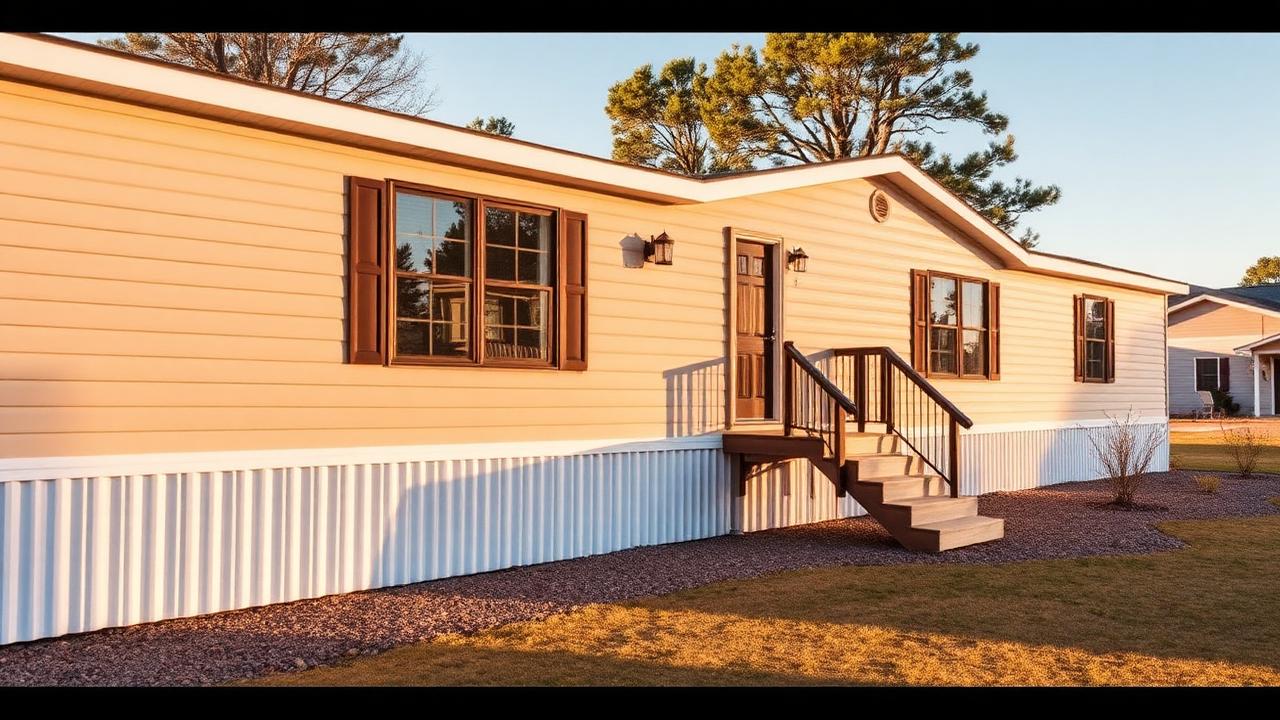
Mobile Home

Built Before the HUD Code

Technically, “mobile home” generally refers to factory-built housing constructed before June 15, 1976. These homes predate the federal HUD manufactured-housing standards.

What that usually means

  • Predates federal HUD-Code standards
  • Traditional agency mortgage options are generally much more limited

Financing may require

  • Specialty lenders
  • Personal-property financing
  • Portfolio programs
  • Other niche options depending on the home and land

A pre-1976 mobile home and a modern manufactured home are not the same financing conversation.

Modular Home

Factory-Built — But Not Manufactured

A modular home may also be constructed off-site, but it is generally built to applicable state and local building codes rather than the federal HUD manufactured-housing code.

Once assembled on site

  • An eligible modular home is generally treated more similarly to site-built real estate
  • Built to applicable state and local building codes

Potential financing, subject to normal eligibility

  • Conventional
  • FHA
  • VA
  • Other standard mortgage programs

Factory-built does not automatically mean manufactured.

Program availability depends on home classification, construction date, title, foundation, land ownership, occupancy, lender, and state requirements.

Who Owns the Land?

Owned Land vs. Leased Land

Modern manufactured home on privately owned land with a permanent foundation

Owned Land

Home + Land

Manufactured home
Land you own
Permanent foundation / eligible real-property status
Traditional mortgage options may open

When the borrower owns both the manufactured home and the land, and the home satisfies applicable title, foundation, construction, and program requirements, financing may look much more like a traditional real estate mortgage.

Potential options may include

  • Conventional
  • FHA
  • VA
  • USDA
  • Portfolio financing

The lender is financing real estate: the home and the land together.

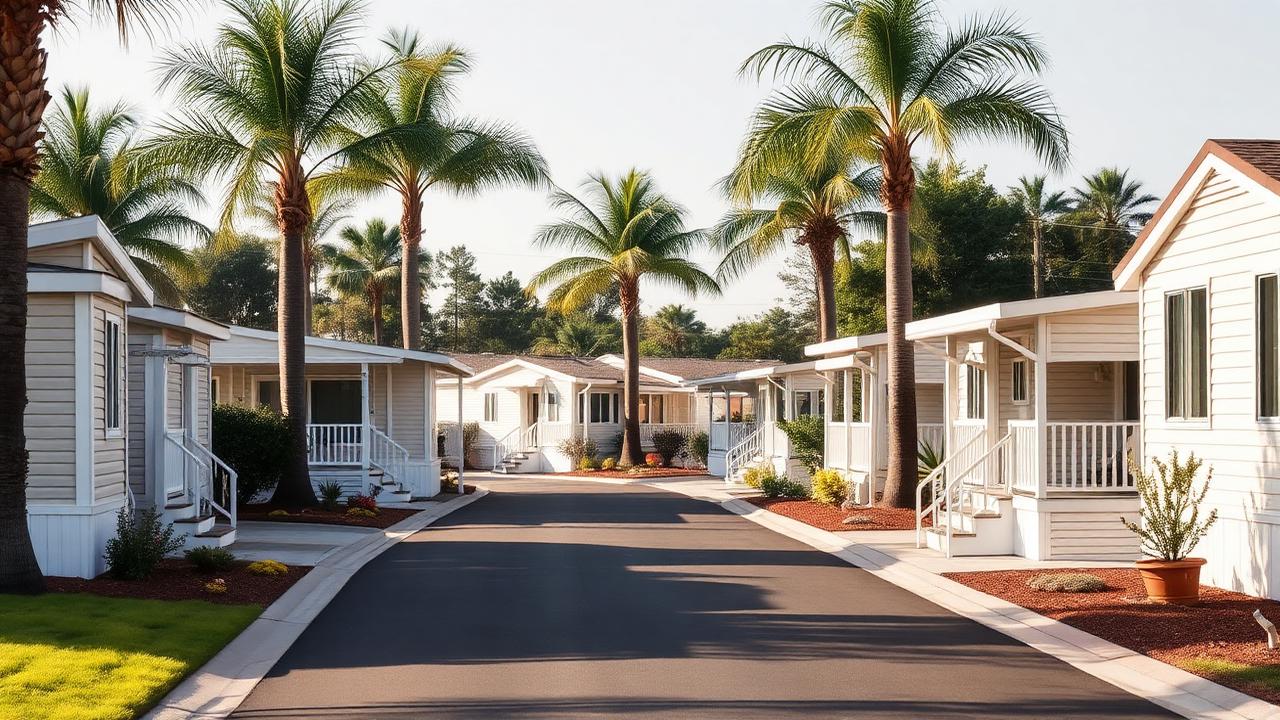
Well-kept manufactured-home community street with landscaped homes

Leased Land / Mobilehome Park

Home Only

Manufactured home
Land lease / space rent
Specialized financing

When the home sits in a manufactured-home community or mobilehome park and the borrower leases the space rather than owning the land, the transaction is fundamentally different. The home may be treated as personal property rather than traditional real estate depending on title and state law.

Potential financing can include

  • Chattel / personal-property loans
  • Specialty manufactured-home programs
  • Certain government or lender-specific programs where eligible
  • Other portfolio solutions

Same house. Different land structure. Completely different lender market.

A manufactured home in a park is still a manufactured home. What changes dramatically is the land and title structure.

The Title Matters

Is the Home Real Estate — or Personal Property?

Real Property

Home
Land
Eligible title / affixation
Real estate mortgage

Personal Property

Home
Leased space
Home may be financed separately from land

A manufactured home may be titled differently depending on the property and state. When the home is permanently affixed and properly converted or titled as real property, conventional real-estate financing may become available. When the home remains titled as personal property, financing may instead resemble an auto or equipment loan structure more than a traditional mortgage.

Financing the Home Without Financing the Land

A chattel loan is generally a personal-property loan secured by the manufactured home rather than by both the home and underlying land. This type of financing is commonly associated with homes located in manufactured-home communities where the borrower leases the space.

Potential differences from a traditional mortgage may include

Different interest-rate structures
Different loan terms
Different down-payment requirements
Different appraisal / valuation methods
Park approval requirements
Space rent included in qualification
Lender-specific age and property restrictions
Chattel financing is not simply a conventional mortgage with the dirt removed.

A Different Underwriting Model

Buying in a Manufactured-Home Community

When buying a manufactured home in a park, the lender may need to evaluate not only the borrower and home but also the community itself. Potential issues can include:

Monthly space rent
Lease terms
Park approval
Age restrictions
Owner-occupancy requirements
Home age
Condition
Home size / width
Title status
Community requirements
Lender participation in that property type
Home loan payment
Space rent
Tax / insurance / other applicable costs
Total housing cost
Your monthly housing expense isn’t just the loan payment. Space rent matters too.

Single-Wide and Multi-Wide Aren’t Always Treated the Same.

Some traditional mortgage programs have historically been more restrictive with single-width manufactured homes than with multi-width homes, while specialized manufactured-home lenders may have broader options.

Width can affect the lender pool — it doesn’t automatically determine whether financing exists.

The Home Has an Identity

HUD Labels Matter.

Eligible manufactured homes generally have identifying information that helps establish:

Manufacturer
Construction date
Serial number
HUD certification
Model information
Factory sections

Potential documents and identifiers may include HUD certification labels — often called HUD tags — and the manufacturer’s data plate. Missing labels do not necessarily mean the transaction is impossible, but they may require additional verification.

If we can’t establish what the home is, underwriting can’t decide how to treat it.

Permanent Foundation Requirements Matter.

For manufactured homes financed as real estate, the lender may require evidence that the home is permanently affixed and that the foundation satisfies applicable program requirements. Depending on the loan program, this may involve:

Foundation certification
Engineer review
Appraisal observations
Title / affixture documentation
State or local documentation

Requirements are not identical across programs, lenders, or jurisdictions.

Why June 15, 1976 Matters

Before June 15, 1976

Mobile Home

Pre-HUD Code

June 15, 1976

Federal HUD Code Takes Effect

Manufactured Home Construction and Safety Standards

After June 15, 1976

Manufactured Home

HUD-Code construction

This is why a listing calling something a “mobile home” does not tell us enough. We need the actual construction date and property classification.

Which Loan Bucket Are You In?

Manufactured + Owned Land

Potential: Conventional / FHA / VA / USDA / portfolio

Subject to specific program requirements.

Manufactured + Leased Land

Potential: Chattel / specialty manufactured-home financing

Subject to specific program requirements.

Pre-1976 Mobile Home

Potential: Specialty / portfolio / limited lender market

Subject to specific program requirements.

Modular Home

Potential: Often treated similarly to site-built real estate

Subject to specific program requirements.

Government and Agency Financing May Be Available

Conventional

May finance eligible manufactured homes satisfying agency requirements.

FHA

FHA has manufactured-housing financing options subject to HUD and lender requirements.

VA

Eligible Veterans may potentially use VA financing for qualifying manufactured homes and land.

USDA

USDA may finance eligible manufactured housing in qualifying areas subject to program requirements.

A lender offering VA loans does not necessarily mean that lender offers VA manufactured-home loans.

Before We Talk Rate

Send Me These Seven Things.

  1. 1Property address
  2. 2Year the home was built
  3. 3Owned land or leased space?
  4. 4Single-wide or multi-wide?
  5. 5Is it on a permanent foundation?
  6. 6How is the home currently titled?
  7. 7Primary home, second home, or investment?

If available, also send

HUD tag / certification information
Park information
Monthly space rent
Listing sheet
With those answers, I can usually determine which lender universe we should be looking in.

Start With the Property

Before We Shop the Loan, Let’s Identify the Home.

Send me the address, construction year, whether the land is owned or leased, and whether the home is single- or multi-wide. From there, I can determine which financing market actually applies.

Manufactured-home financing gets much easier once we know exactly what we’re financing.

Frequently Asked Questions

Technically, the construction date is the major distinction. Factory-built homes constructed before the federal HUD Manufactured Home Construction and Safety Standards took effect on June 15, 1976 are generally called mobile homes. Homes constructed to the federal HUD Code on or after that date are manufactured homes. In everyday conversation people often use the terms interchangeably, but lenders generally do not.

That is the date the federal HUD Code took effect for factory-built housing. Many mortgage programs draw a line at that date when determining whether a home may be eligible, so the actual construction date matters more than what a listing calls the home.

Often yes. When the borrower owns the home and the land, the home is permanently affixed, and title, foundation, and program requirements are satisfied, conventional, FHA, VA, USDA, or portfolio financing may be available depending on the transaction.

Potentially. If you are buying the home but leasing the underlying space, the financing is usually different from a traditional mortgage on a manufactured home with owned land. Specialized manufactured-home or chattel lenders may be available depending on the home, community, borrower, title, occupancy, and state.

A chattel loan is generally a personal-property loan secured by the manufactured home itself rather than by the home and the underlying land together. Terms, rates, down payment, and valuation methods commonly differ from a traditional real-estate mortgage.

FHA has manufactured-housing financing options, subject to HUD requirements, property eligibility, and the individual lender's participation in that product.

Eligible Veterans may potentially use VA financing for qualifying manufactured homes and land. Availability depends on the property, entitlement, and the lender, since not every VA lender offers manufactured housing.

Sometimes. Some traditional programs have historically been more restrictive with single-width homes, while specialized manufactured-home lenders may have broader options. Width can affect the lender pool without automatically determining whether financing exists.

For manufactured homes financed as real estate, lenders generally require evidence that the home is permanently affixed and that the foundation satisfies applicable program requirements. Requirements are not identical across programs.

HUD certification labels, often called HUD tags, and the manufacturer's data plate help establish the manufacturer, construction date, serial number, and certification of the home. Missing labels do not necessarily make a transaction impossible, but they may require additional verification.

Traditional agency options are generally much more limited for pre-HUD-Code homes. Specialty lenders, personal-property financing, or portfolio programs may still be possible depending on the home, the land, and the borrower.

A modular home is built off-site to applicable state and local building codes rather than the federal HUD Code, and once assembled on its permanent site an eligible modular home is generally treated more similarly to site-built real estate. Factory-built does not automatically mean manufactured.

Related